
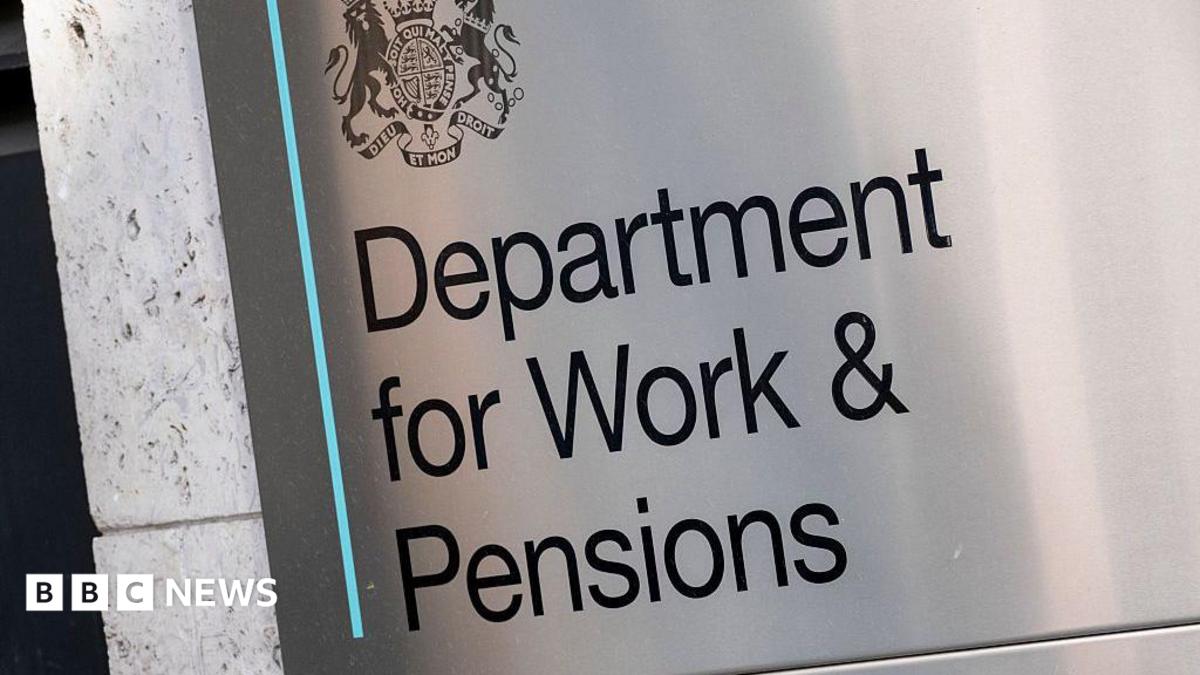

The cause of the “cyber incident” affecting online DWP services remains unclear but Downing Street has not ruled out a cyber attack, with a No 10 spokeswoman saying: “The investigation is ongoing. I’m not going to get ahead of it.
“The DWP is working closely with the National Cyber Security Centre and the government’s Cyber Coordination Centre to investigate the incident and establish the full extent of its impact,” she said.
She added that there is no evidence that a “malicious actor” is targeting other government departments.
Taking services offline is part of a response we have seen in other cyber incidents, as it kicks the hackers out to prevent further intrusion.
Cutting internet connectivity can also help responders preserve evidence, which might help if this is indeed some kind of malicious activity.
The BBC’s cyber correspondent Joe Tidy says the department’s actions and wording are reminiscent of the Co-op hack last year.
In that incident Co-op said it had taken services offline as a “precaution”. Only later was it discovered that it was already too late, as the hackers had successfully breached the firm and stolen the data of 6.5 million customers.
And in August, tech firms including Google, Microsoft, Anthropic and OpenAI signed an open letter warning countries and organisations around the world to improve their cyber defences.
While so far there has been no evidence of a cyber attack, Dame Chi Onwurah, chair of the Science and Technology Committee, said Friday’s incident should be a “wake up call” for the government to improve the technology used by crucial services.
Today’s incident comes just weeks after the government carried out inspections on several websites after a flaw was identified in a global programming language.
The PHP security flaw prompted a worldwide race for organisations to identify whether they were impacted and fix it before it could be exploited.
So far there is no indication that those checks and today’s incident are related.