
Polly Martinovic, 29, has shared how she was diagnosed with PMDD while she was grieving
A woman has told how she experienced panic attacks and low mood for years before being diagnosed with a chronic condition. Polly Martinovic, 29, who lives in London, is one of the 31 million women and girls globally thought to be living with premenstrual dysphoric disorder (PMDD).
Mental health charity Mind describes PMDD as a ‘very severe form of premenstrual syndrome’ that ’causes a range of emotional and physical symptoms every month during the week or two before your period.’ According to the mental health charity, the exact causes of PMDD are not fully understood. However, research suggests there are factors that could affect PMDD, including genetics and trauma.
Sadly, Polly started experiencing symptoms after her sister died. She told The Mirror: “I lost my sister about five and a half years ago. That’s when it all started.”
Her symptoms included breast pain, bloating, and fatigue, as well as anxiety, panic attacks, and dark thoughts. But she says she felt “dismissed” by her GPs.
“Nobody had mentioned PMDD to me at all; I had no idea what it was,” Polly says. “I was just told I was a little bit sensitive to hormonal changes.”
She adds: “I wasn’t sure mentally whether this was grief that I was suffering from. I was told that I was depressed, and I was put on antidepressants.” It was a difficult time for Polly and her family, who watched on feeling ‘helpless’.
But Polly had noticed her symptoms were cyclical, linked to her luteal phase. In early 2023, after two years of debilitating physical and mental symptoms, she paid to see a hormone specialist. It was only then that she finally received a diagnosis of PMDD.
After getting her diagnosis, Polly tried various treatment options in the hope of relieving her symptoms. “There’s no magic pill,” she explains.
The NHS says treatments for PMDD may include antidepressants, contraceptives, or induced menopause (through medication or surgery). Some people may also benefit from therapy and lifestyle changes.
Polly was recommended HRT treatment, beginning with synthetic oestrogen and progesterone and later only taking oestrogen. However, a bad reaction meant she had to stop treatment, and she says her condition “rapidly declined”.

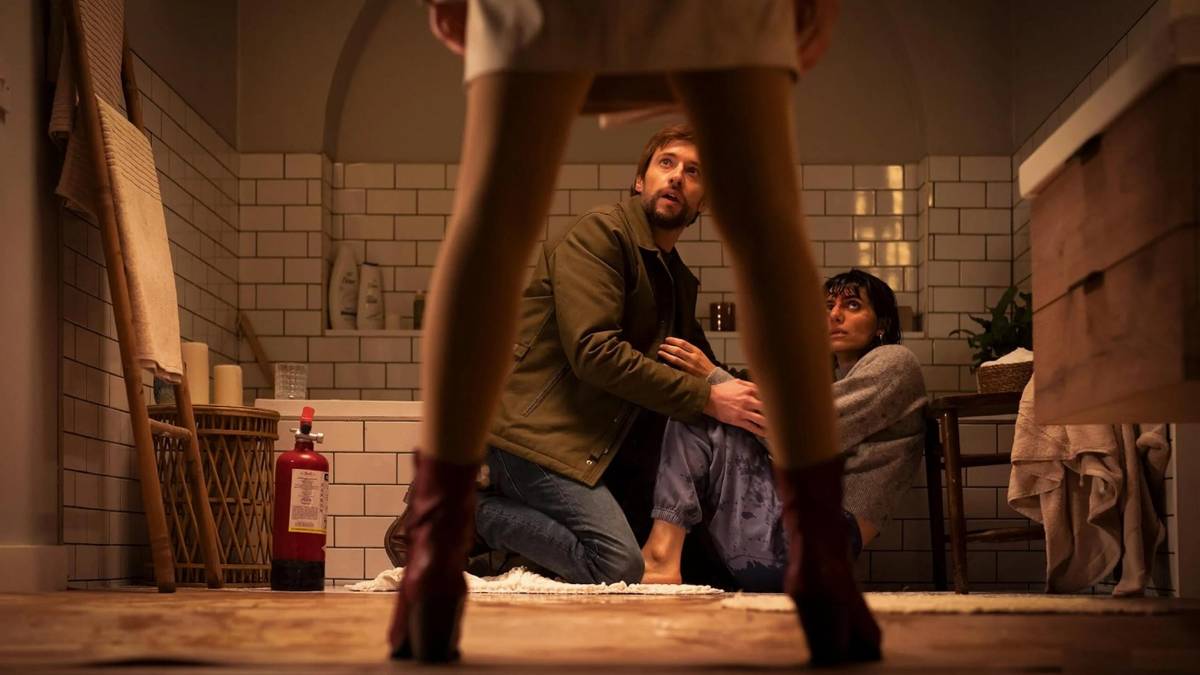
She said: “I remember one day I was at home with my mum. I was having a really bad episode, and I was like, I can’t do this anymore. I don’t want to be here anymore.”
Polly, who ended up moving home from London to Devon, felt she had lost her independence. She said: “You’re on this cycle, building yourself back up for two weeks and then just being torn down completely. It was exhausting.
“My mum and dad tried to support me through it as much as they possibly could, but when someone is in that phase, it is quite helpless. You just don’t know what to do.
“Being in my early twenties and needing to be that supported by my parents, not being able to have relationships or keep friendships, and not being able to support myself and having to move home, it was really difficult.”
Thankfully, change came during a summer holiday in 2024. “I think that’s when I really reached rock bottom,” she recalls. “I was having a PMDD episode. I couldn’t leave the hotel room. I was having anxiety attacks at night. I was having therapy while I was on holiday. I just could not cope at all.”
But their hotel had a functional medicine clinic. “My mum basically begged me to go,” Polly explained. After meeting with a functional health specialist, she decided to follow a holistic health approach, and Polly credits this decision with changing her life.
Polly claims: “It’s the first time someone said to me, a lot of this is nervous system rooted and trauma related. That’s when I started testing my hormones in a holistic way, so I was doing a DUTCH test to see what was going on with my hormones rather than just trying to mask the symptoms.”
She adds: “I was really working through things holistically and doing the work to support myself, learning about trauma and stress and how that impacts hormones. After working with them for a couple of months, my symptoms really just calmed down.
“From that, I then went on to study integrative health and build my business. Now, I have symptomless cycles, which is amazing, and somewhere I was told I was never going to be able to get.”
Since starting her holistic approach, Polly says she often goes months with little to no PMDD symptoms. She has also founded a functional wellness brand, Vhyne. She says she wants to share her story to help other women with PMDD.
Polly concludes: “I was fortunate enough to be able to seek another route and go down the functional medicine route, and be able to afford to pay for that help for myself. But there are so many women out there who don’t have access to that and are having to live with this every month. They just feel like there is no way out and there’s no hope. It’s a scary place to be.”
What are the symptoms of PMDD?
The NHS said: “PMDD is a severe and chronic condition caused by an abnormal reaction in the brain to the natural hormonal changes of oestrogen and progesterone during the menstrual cycle. Individuals with PMDD experience heightened sensitivity to these changes, which can trigger debilitating symptoms. The exact cause for this reaction is still unknown.”
The health service says symptoms of PMDD can include:
- Mood swings, depression, or crying
- Feeling hopeless, anxious or anxiety
- Anger, irritability or a sense of losing control
- Trouble concentrating or ‘brain fog’
- Changes in sleep or eating habits, including cravings
- Physical symptoms: fatigue, joint or muscle pain, sore breasts, headaches/migraines, bloating or weight gain
If you’re struggling and need to talk, the Samaritans operate a free helpline open 24/7 on 116 123. Alternatively, you can email [email protected] or visit their site to find your local branch.
Always speak to a qualified medical professional about any health concerns. More information about PMDD is available on Mind’s website here. April is PMDD awareness month.