
Is Apple struggling to innovate on its own?
For over a decade, Apple has been built on absolute control. You get locked up in their ecosystem, happily buying MacBooks, AirPods, and Apple Watches because they all seamlessly talk to each other under one roof.
But Apple has been slow to adopt AI. When OpenAI launched ChatGPT in late 2022, it sparked a gold rush. While competitors like Microsoft, Anthropic, and Google released their own advanced language models, Siri couldn’t perform simple tasks such as tracking multistep requests or understanding simple context. Now, Siri relies on Google’s technology.
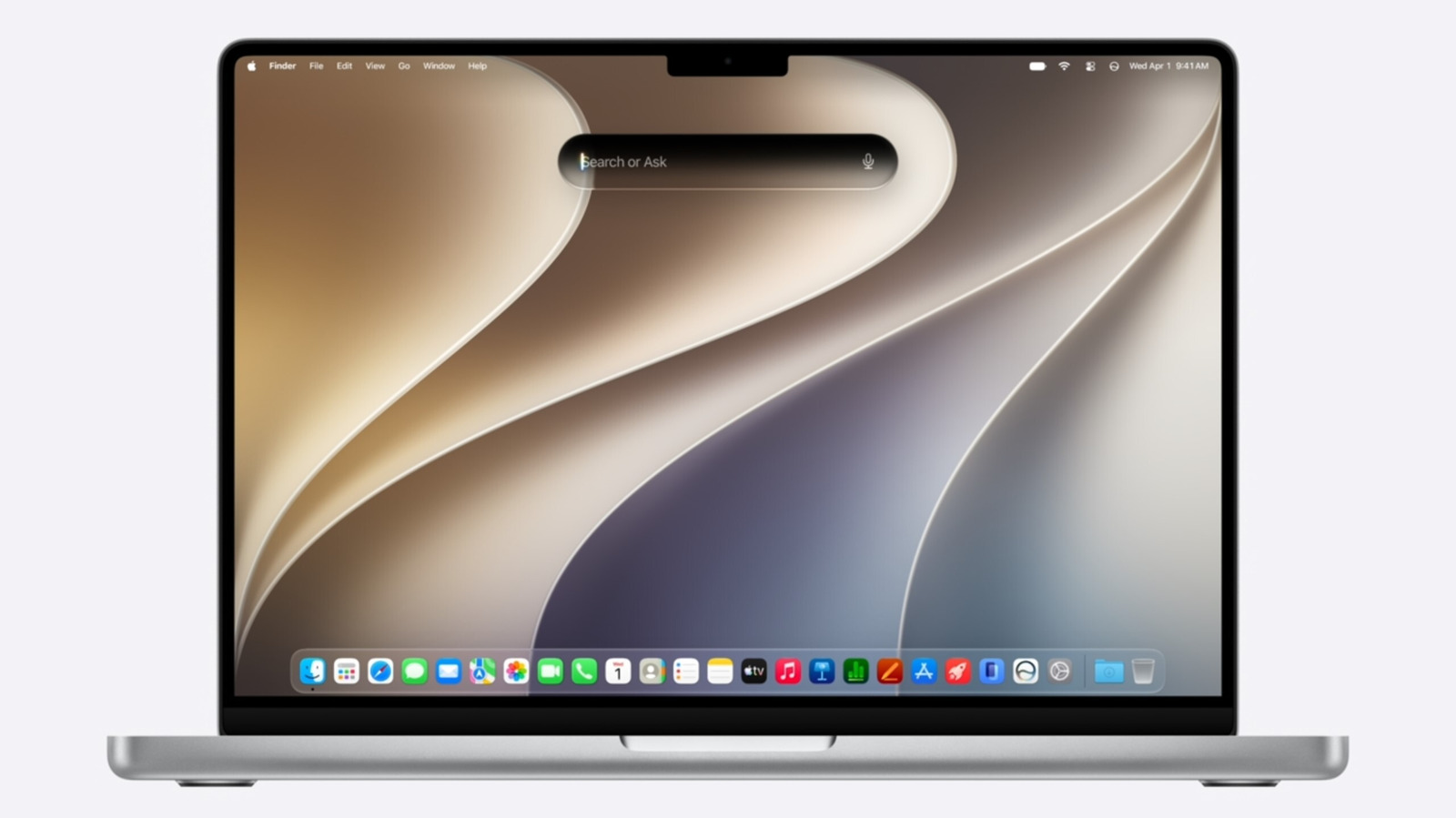
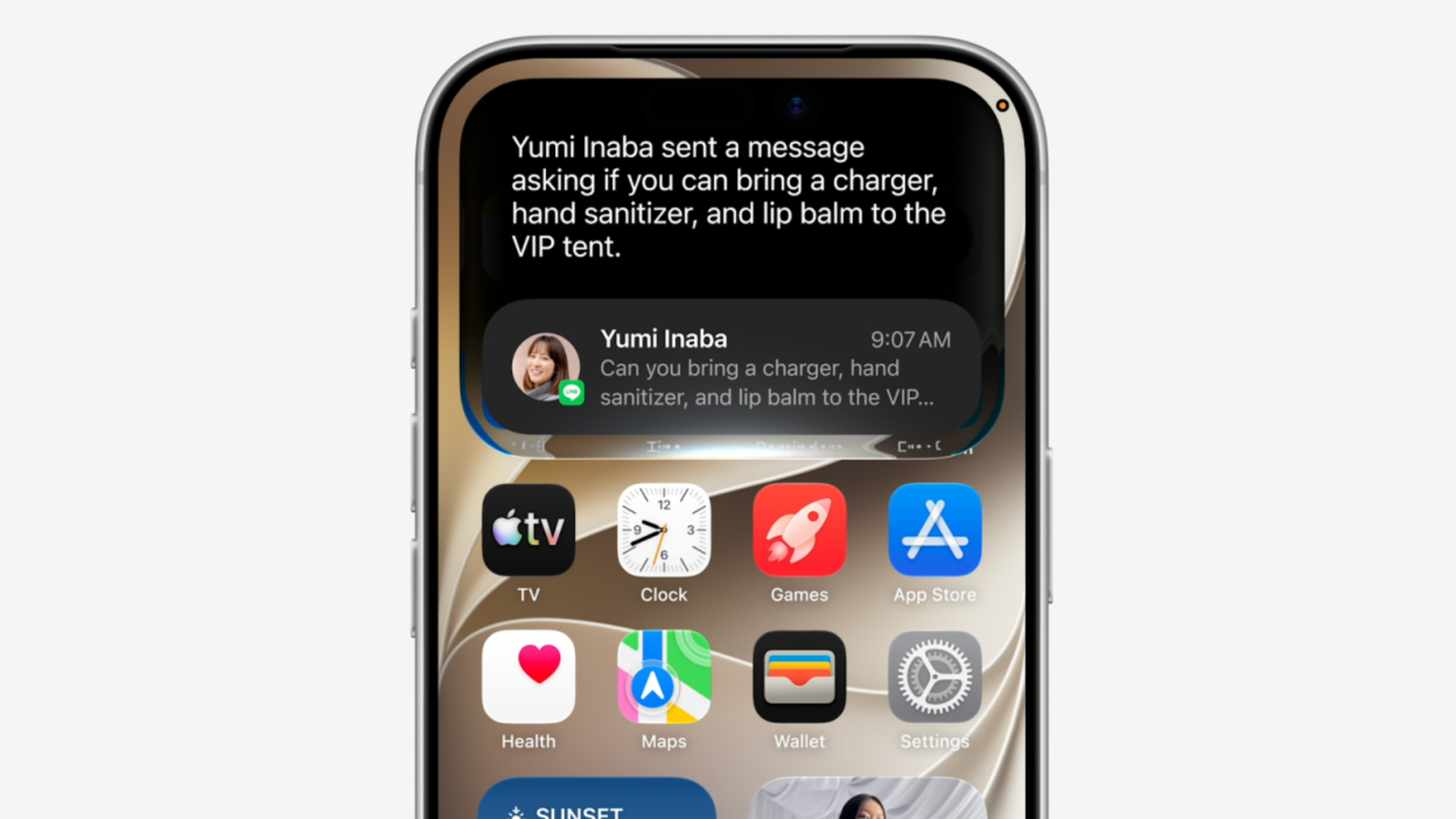
To introduce this new AI interface, Apple changed basic iOS navigation. Now, swiping down brings up a large “Search or Ask” text box. This change disrupts the iPhone’s usual navigation, making it feel like Apple copied ChatGPT’s text interface and is admitting that voice control still isn’t reliable. Apple introduced the Dynamic Island as the future of quick, contextual information. The main features Apple highlighted—like Siri seeing your screen or pulling an address from a message—are the same ones they promised in 2024. It took Apple two years of delays to match what Google Pixel phones have already been doing for a year now, powered by Google Gemini.
This goes against Apple’s usual privacy promises, which say that your personal data is processed safely on your device. By sending complex Siri AI questions to Google’s cloud servers, Apple no longer keeps your data local, since it needs outside help to offer competitive AI features. According to Apple’s SVP of engineering, Craig Federighi, Siri AI in beta is now available to developers, with a release date of “this fall” for users. Users in the European Union and China are getting it at some undefined point.