
By Sonja Jessup, Home Affairs Correspondent, BBC London
It was last summer, during a visit highlighting crime fighting in the West End, that the Met commissioner told me about plans to double its use of live facial recognition technology.
“We need to get cleverer, because we’re a smaller organisation,” he explained.
He was referring to the “shrinking” police force, which is losing officers and staff, while at the same time under pressure to cut crimes such as shoplifting, mobile phone theft and violence against women in hotspot areas.
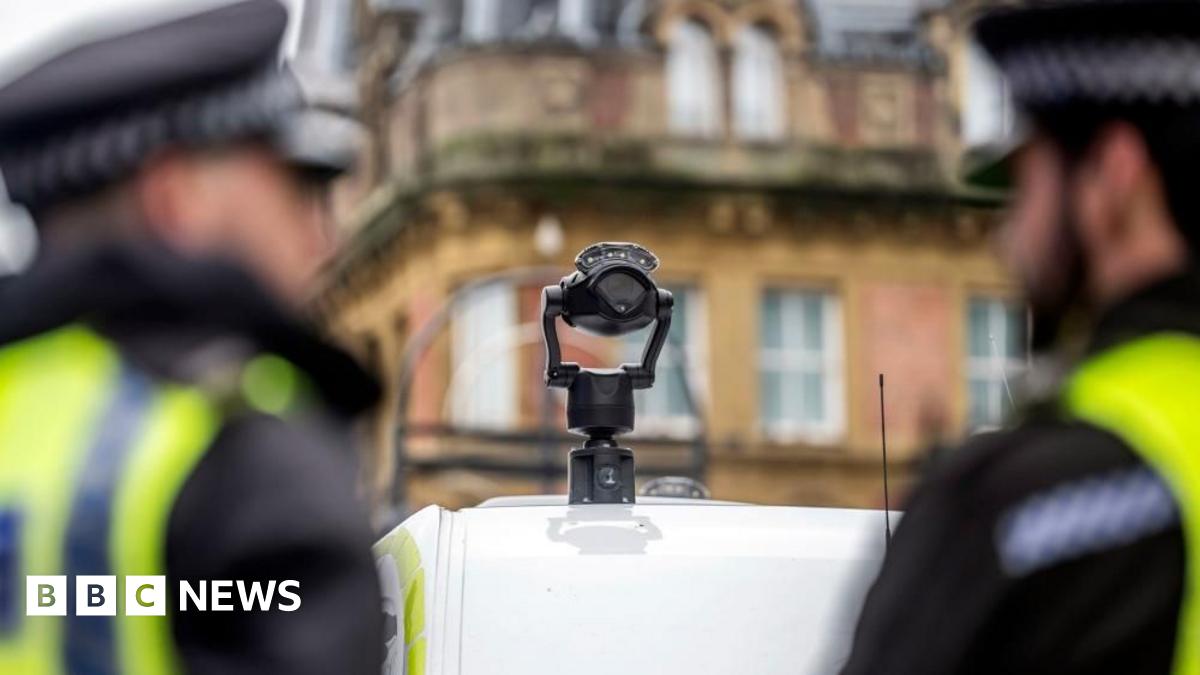
Fast forward a year and the Met’s confidence in the technology has been boosted, both by its win over a legal challenge at the High Court and the results of the Croydon pilot using the static cameras, which it is now preparing to roll out.
But they’ll face opposition, including from civil rights and privacy groups, and have urged the government not to “over-regulate” its use as ministers consider more specific legislation, following a public consultation.
Listen to the best of BBC Radio London on Sounds and follow BBC London on Facebook, external, X, external and Instagram, external. Send your story ideas to [email protected], external