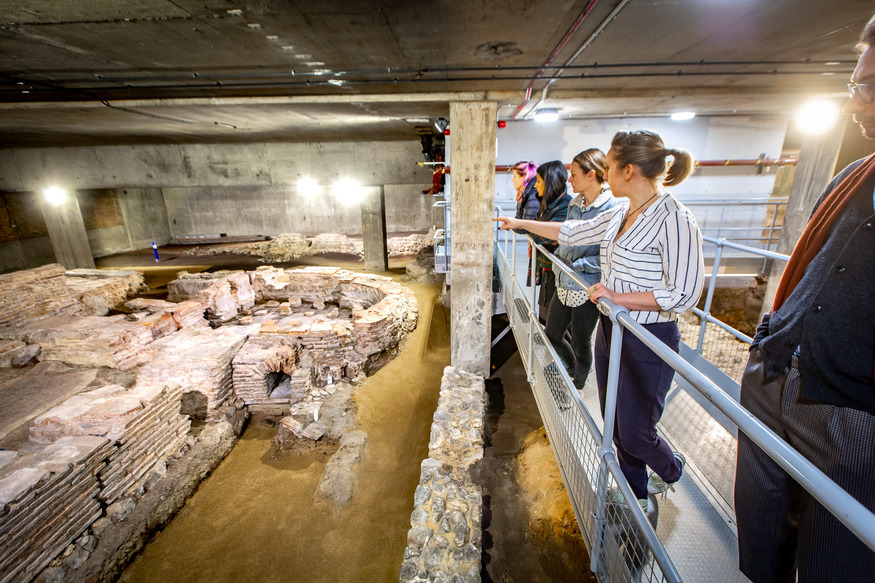


Berkeley Homes said the decision was “clearly flawed” and accused Southwark Council of “spectacularly failing” to meet housing targets
A developer has applied for a Judicial Review following a Planning Inspector’s decision to reject plans to redevelopment the Aylesham Centre in Peckham.
Last month, a Planning Inspector refused to back Berkeley Homes’ controversial plans to bulldoze the 1980s-style shopping centre and build 867 homes on site following an inquiry which took place in October 2025. The application was referred to the Planning Inspectorate after Berkeley became impatient with Southwark Council, which was yet to convene a planning meeting to decide on the plans.
Planning Inspector Matthew Shrigley ultimately refused the appeal on heritage grounds and described some of the proposed tower blocks described as “out of scale” and “visually intrusive”.
Southwark Council and a number of housing campaign groups and residents had strongly opposed the plans and raised concerns over Berkeley’s 12 per cent affordable housing offer which consisted of 50 social rent and 27 intermediate rent homes.
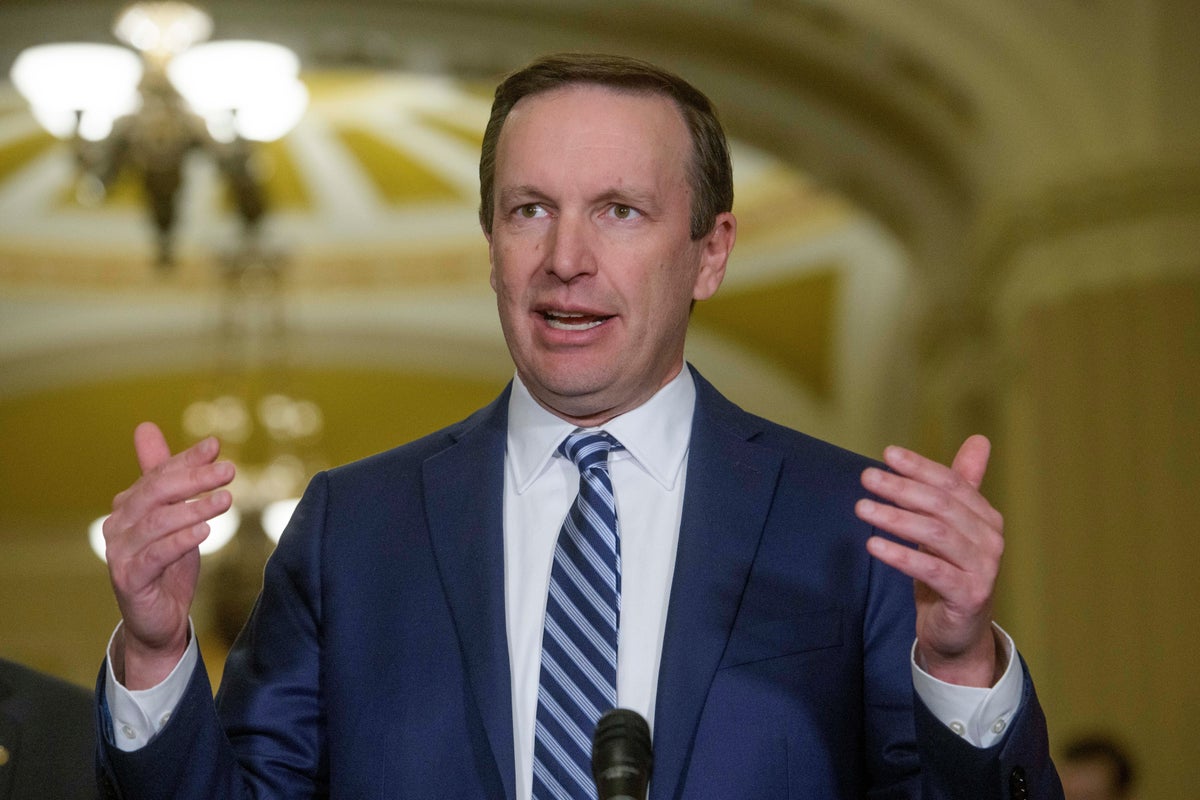
However Rob Perrins, Executive Chair of Berkeley Group, said the decision was “clearly flawed” and accused the council of “spectacularly failing” to meet its housing targets.
Mr Perrins said: “How can anyone invest in a town centre when policy-compliant plans for allocated sites are refused on the basis of vague and subjective heritage concerns? The fact that this borough is spectacularly failing its housing targets and faces a severe housing crisis appears to count for nothing.
“The Inspector also acknowledged that Berkeley was offering more affordable housing than the scheme could viably support, alongside significant economic benefits, yet still concluded that heritage harm matters more.”
He added: “This follows nine years of engagement with the council and zero objections from Historic England, who are as shocked as everyone else that this scheme went down on heritage grounds.
“It cannot be right that heritage concerns trump all other policies, including the delivery of new homes, jobs and growth. This decision has already shaken investor confidence, and it is a great shame that we now have to go through the courts to have it overturned.”
In response Cllr Victor Chamberlain, Deputy Leader and Executive Member of Neighbourhoods, Strategic Planning and Wellbeing at Southwark Council, said tackling the housing crisis is the “utmost priority” for Southwark Council’s new Liberal Democrat and Green joint administration.
Cllr Chamberlain said: “The extremely low percentage of affordable housing being offered by Berkeley’s Aylesham proposal does not justify the scale of the works and does not provide enough benefit for the local community and we were pleased to see the Planning Inspectorate agree.
“We have heard our residents loud and clearly on this and it is vital that local people shape local decisions. We will be following Berkeley’s latest appeal against the Planning Inspector’s decision closely and we hope the right decision will be made.”
Berkeley has set out several key arguments for its Judicial Review, including taking into account a joint Design Brief from Berkeley and the council which it says complied with the scheme.
As well as the delivery of new homes, Berkeley planned to build a new Morrisons supermarket and provide Section 106 contributions and Community Infrastructure Levy (CIL) payments totalling £15 million.
Morrisons is backing Berkeley’s Judicial Review, with a spokesperson stating they were “disappointed” by the Planning Inspector’s decision.
A Morrisons spokesperson said: “We have worked closely with Berkeley over the past five years and their proposals would have delivered a new modern Morrisons supermarket alongside complementary retail, leisure and workspace, including new shops for existing retailers, whilst creating a substantial number of new jobs for local people.
“Peckham is now left with an end-of-life shopping centre and a supermarket which cannot be redeveloped for the benefit of customers and colleagues. The cost of the recent decision is not just the loss of a new town centre for Peckham, but the sacrifice of much needed homes including a number of affordable homes for local families.”
Why did Berkeley lodge an appeal with Planning Inspectorate?
Berkeley’s plans were due to be heard by the council in spring 2025, however because it had amended parts of its application, the council had to launch a 30-day consultation period which allowed locals to attend drop-in sessions to have their say.
However in Berkeley’s view, it argued the council took too long to make a decision and lodged an appeal directly to the Planning Inspectorate.
A Berkeley spokesperson previously told the Local Democracy Reporting Service (LDRS): “This is a site that has been earmarked for housing for 11 years now. Two previous developers failed to come up with a workable project.
“We have been working with the council, local residents and businesses for four years and have sought to accommodate everyone’s wishes, as far as possible, along the way, while keeping the project viable.
“After all this time, effort and money, if Berkeley is to build homes, we have no other option but to appeal for non-determination.”
What did Planning Inspector say?
In his conclusions, Mr Shrigley said: “Although the appeal scheme does have some positive design attributes and high order benefits, the elements of harm identified are not outweighed.”
Mr Shrigley went on to say even if 35 per cent affordable housing was delivered, as was pledged in Berkeley’s initial plans, he still would have found that the level of harm in this case “would not be overridden”.
When the decision was published in May, Cllr Sarah King, former Leader of Southwark Council welcomed the refusal and said it was “a great day for Peckham”.
Local campaign group, Aylesham Community Action (ACA), which had opposed the plans from Berkeley as well as two earlier schemes, had fundraised more than £55,000 to help pay for a barrister to represent them at October’s Planning Inquiry.
Campaigners had called it a ‘David and Goliath’ battle against Berkeley, and that if approved, it would have been “gentrification on steroids” and would have displaced communities, local traders, and wrecked Peckham’s heritage.
Berkeley said the development would have boosted the local economy with £13 million of additional spending, and would have created nearly 1,000 construction and permanent jobs and 60 apprenticeships.
Berkeley must now demonstrate it has an arguable case in order to secure permission from the High Court to proceed with its Judicial Review.
Don’t miss out on the biggest local stories. Sign up to our MySouthLondon newsletter HERE for all the latest daily news and more.