

Work on the City Plan 2040 has been ongoing for several years with the expectation it would be adopted this summer but it has now been delayed
The Government has delayed the publication of the City of London Corporation’s City Plan 2040 to allow for further scrutiny of its impacts on the Tower of London.
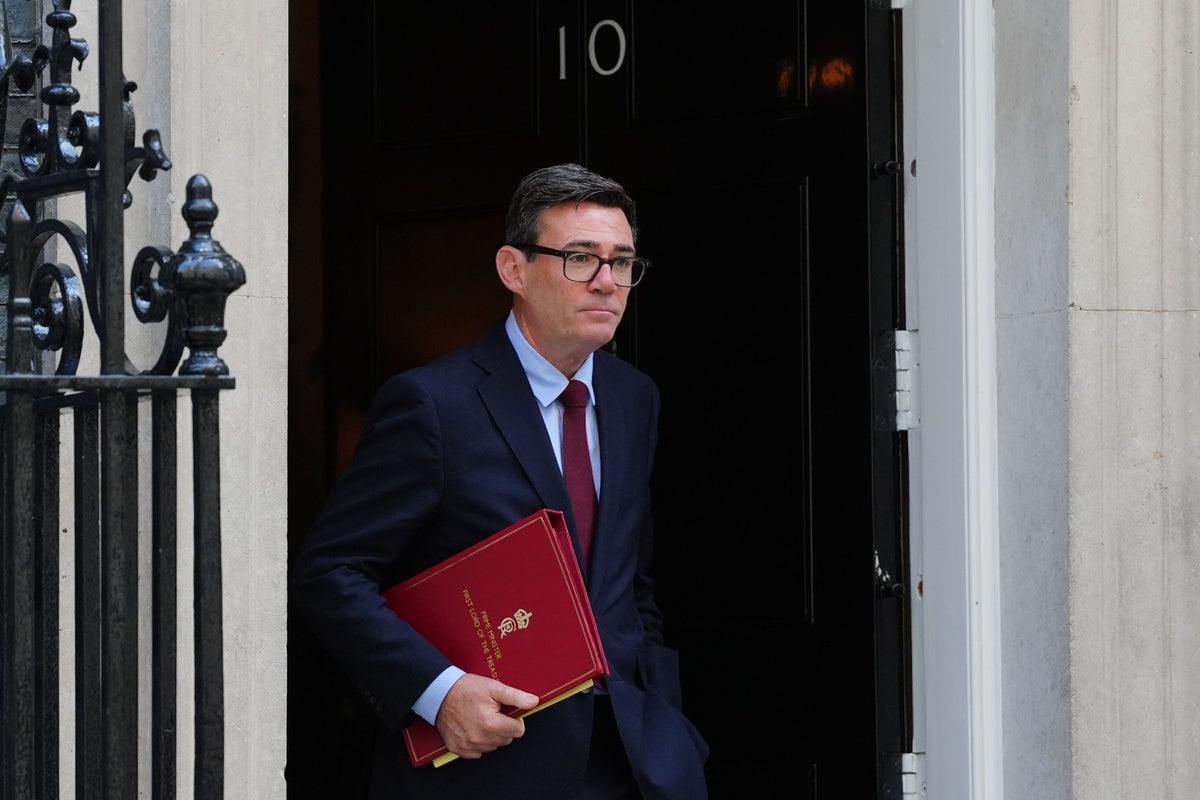
The Minister of State for Housing and Planning, Matthew Pennycook MP, has written to the inspectors overseeing the Plan directing them to consider an alternative proposal for tall buildings in the east of the city.
He has also instructed them to hold further hearings, more than a year after public sessions were concluded, “to allow the parties that made representations in relation to heritage and tall buildings policies to appear and be heard”.
In a punchy press statement issued this morning (June 29) the Corporation said it “strongly disagrees” with the decision and considers further hearings “unnecessary”.
Deputy Tom Sleigh, Chair of the Planning and Transportation Committee, described the direction as “unnecessary and anti-growth”.
A spokesperson for the Ministry of Housing, Communities and Local Government (MHCLG) said: “Our World Heritage Sites are an irreplaceable part of this country’s history and they must be protected.
“We have asked inspectors to consider alternative proposals for tall buildings in the City Plan, to ensure it protects the Tower of London against unsuitable development without restricting economic growth.”
What is the City Plan?
The Corporation’s City Plan is a key document outlining its vision for the Square Mile, and spaces it runs further afield, up until 2040. A previous draft, City Plan 2036, was proposed and consulted on in 2021 having been worked on since 2016.
The Corporation however chose to not submit it to the Secretary of State for final approval due to a number of issues raised during consultation.
A series of public hearings into the 2040 Plan were held last year, led by inspectors Alastair Phillips and Jameson Bridgwater, at which its draft contents were discussed alongside a range of stakeholders.
Of particular contention were the Corporation’s proposed policies regarding the additional office space required, with a minimum target of 1.2 million square metres, and how heritage is to be protected. Following the hearings the inspectors issued a list of modifications to the City Plan, with the expectation it could be adopted this summer.
In a letter dated June 25, Mr Pennycook wrote he had advance sight of the inspectors’ report following the main modifications to the Plan, and praised the “commendable efforts” made to assess the heritage impacts.
He continued: “However, given the Tower of London’s unquestionable importance as an internationally renowned World Heritage Site, I consider that further scrutiny of the issue through the examination of potential alternative approaches is needed.
“My aim here is to seek reassurance that the City Plan does everything it can to protect the Tower adequately against the risk of unsuitable or harmful development whilst not unduly restricting economic growth.”
Mr Pennycook directed the inspectors to halt the publication of their report, to consider Historic England’s alternative tall buildings contours, and to arrange further hearings.
Melissa Hammett, Palaces and Collections Director at Historic Royal Palaces, which manages the Tower, welcomed the Minister’s intervention.
She said: “We have regularly and consistently highlighted the harm to the Tower of London World Heritage Site caused by the encroachment of tall buildings into views of and from the fortress.
“The cumulative impact of these developments over more than a decade is significant, and in our view, the City Plan 2040 establishes heights and contours at the eastern edge of the City Cluster that would further erode the Tower’s setting.
“The Minister’s intervention provides us with another opportunity to suggest how plans could be amended to reduce the levels of impact on the Tower of London, and we look forward to making the case.”
Deputy Sleigh was less pleased with the update. “This is unnecessary and anti-growth,” he said. “The issue was examined in full more than a year ago. The inspectors heard it, and the Government’s own letter does not call into question the soundness of the Plan.
“To send a complete, ready-to-adopt plan back for more hearings on a settled point is the wrong call, and the cost will be missed economic growth. It beggars belief.
“City Plan 2040 is the framework investors and businesses commit to. Every month of delay is a month that certainty is missing, and schemes that were ready to proceed, with the investment behind them, are put at risk. London and the UK need this Plan adopted. This was avoidable, it is wrong, and it should be put right quickly.”
A Historic England spokesperson said: “Historic England is aware of the ministerial direction relating to the City of London local plan. We will support the Planning Inspectors and the City of London Corporation to address the Minister’s instructions as a matter of urgency.”
The number of skyscrapers being approved and built in the City has led to concerns about encroachment on the Tower.
In 2024 UNESCO requested a State of Conservation Report by the UK Government on the effects of tall buildings on the heritage site.
A subsequent Technical Review by ICOMOS, a conservation body advising UNESCO, recommended the Government call in the approvals of two major schemes, 1 Undershaft and 70 Gracechurch Street, alongside a “drastic revision” of the City Plan 2040.
A Corporation spokesperson said at the time they were confident the Plan “is built on solid foundations and will successfully set an evidence-based blueprint for the future growth of the Square Mile”.
Get the biggest stories from around London straight to your inbox. Sign up to MyLondon’s The 12 HERE for the 12 biggest stories each day.