
An MoD spokesperson added: “Our people make extraordinary sacrifices to keep our country safe, often operating in challenging environments around the world, and their health, safety and wellbeing will always be our highest priority.”
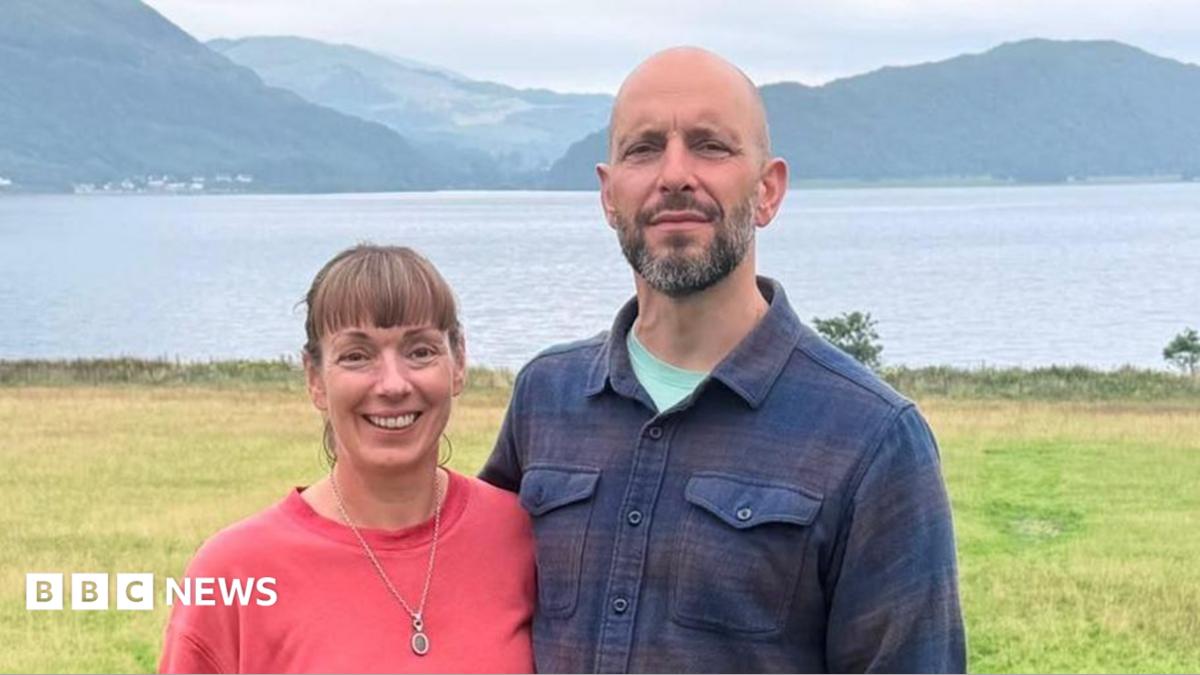
Former Plymouth Royal Marine Edward Hill, who first logged the case in 2019, said while he was disappointed there had been “no accountability” the group were overall “happy with the settlement”.
“We now have to live our lives not knowing whether we’re going to contract an asbestos-related illness,” he said.
Another former Royal Marine previously told the BBC it felt like someone had “potentially handed me an unnecessary death sentence”.
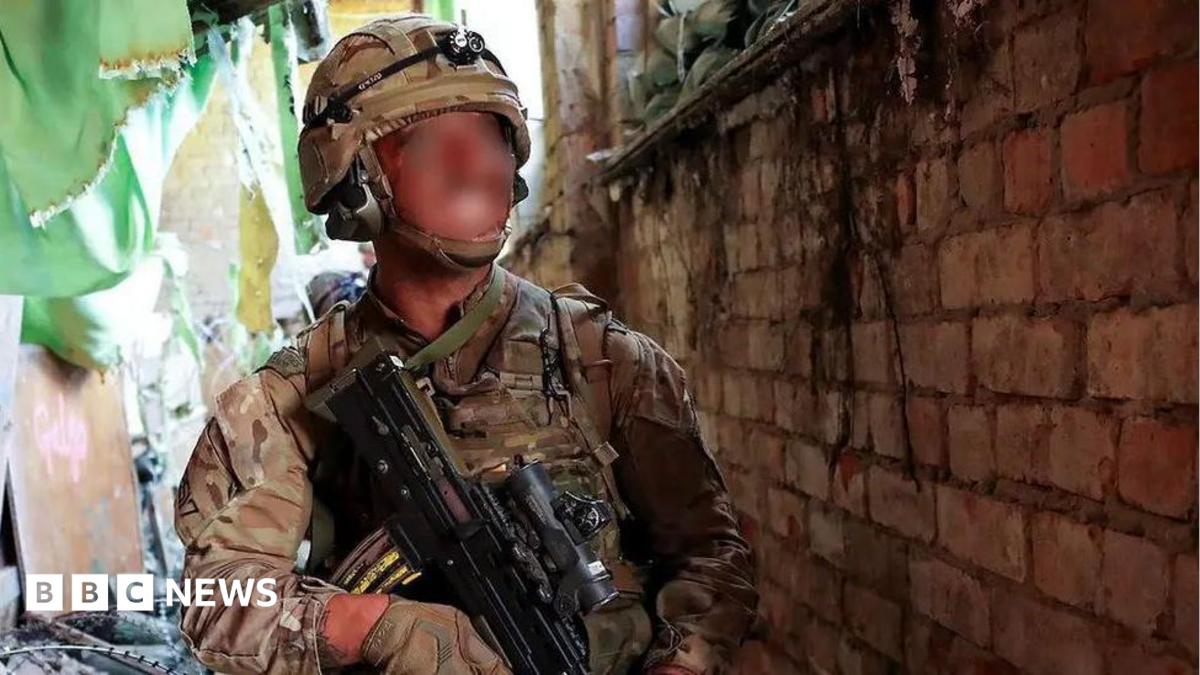
The claim for compensation related to two exercises, Saber Strike 18 (SS18) and Baltic Protector 19 (BP19), which took place in the Latvian base called Skrunda-1 in 2018 and 2019.
It involved former and serving marines from Plymouth’s 30 Commando, Arbroath’s 45 Commando and attached Army soldiers.
Hill, who was on BP19 with 30 Commando, expressed concern over the dust in a disused building at Skrunda-1 they were being asked to sleep in.
He asked a superior if the group could sleep outside in a tent instead but was refused due to safety concerns and claims they were later told to lay down boards to stop the dust from being disturbed.
Hill then took it upon himself to collect a 2kg (4lb) sample from where they slept.
The firm which tested the sample told the BBC it contained Chrysotile fibre, a white loose asbestos usually found in pipe insulation or corrugated roofs.
Part of the group’s claim was the MoD knew asbestos was present at Skrunda-1 before both exercises but troops were not briefed accordingly.