
At the moment, about 20% of water is lost through leaks. Thames Water says it is investing a record amount £21bn in fixing them. Critics say that is too little, too late.
Thames Water has also estimated that it could face a daily shortfall of over one billion litres of water by 2050. The funding needed for improvements and new water systems will be significant.
Its proposals include the new reservoir in Oxfordshire and a water recycling project in west London at Teddington. Both have faced opposition.
To match the demand, Thames Water is also striving to reduce daily water use to 110 litres per person by 2050, with current water use in the area at about 140 litres per person.
In other words, all of us will have to use less water.
In the face of a hotter climate, the mayor of London has created a heat plan, called Heat Ready London, external, which also highlights behaviour change as crucial.
It says: “Alongside infrastructure upgrades, changes in behaviours and system operation are essential to reduce pressure on water supplies.
“To enhance long-term water security, investment should be scaled up through a portfolio-based and integrated water management approach, recognising that no single intervention can address future challenges in isolation.
“A balanced portfolio of measures – including smart meters, active leakage reduction, water-efficiency initiatives, water recycling and reuse, rainwater harvesting, and targeted new supply schemes – should be implemented in a co-ordinated manner to deliver greater resilience and adaptability across the entire water system.”
Experts say the whole water system needs a rethink to make it fit for the future.
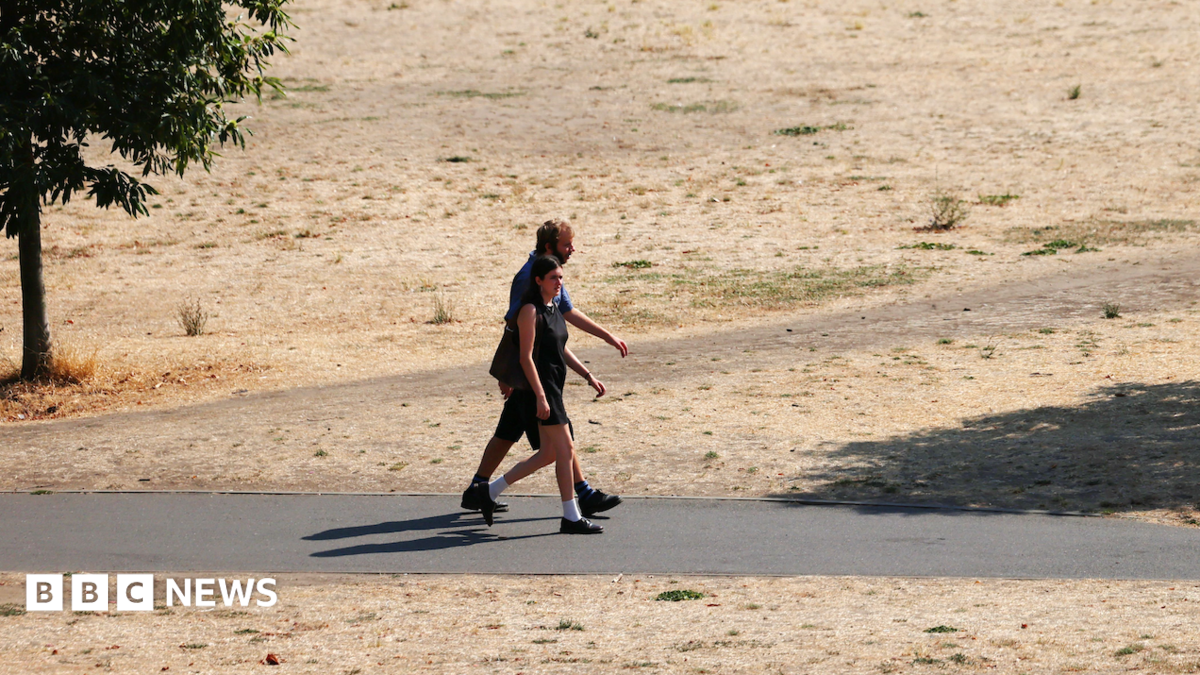
Certainly, with a warming climate this won’t be the last hosepipe ban in London and the South East.
Listen to the best of BBC Radio London on Sounds and follow BBC London on Facebook, external, X, external and Instagram, external. Send your story ideas to [email protected], external