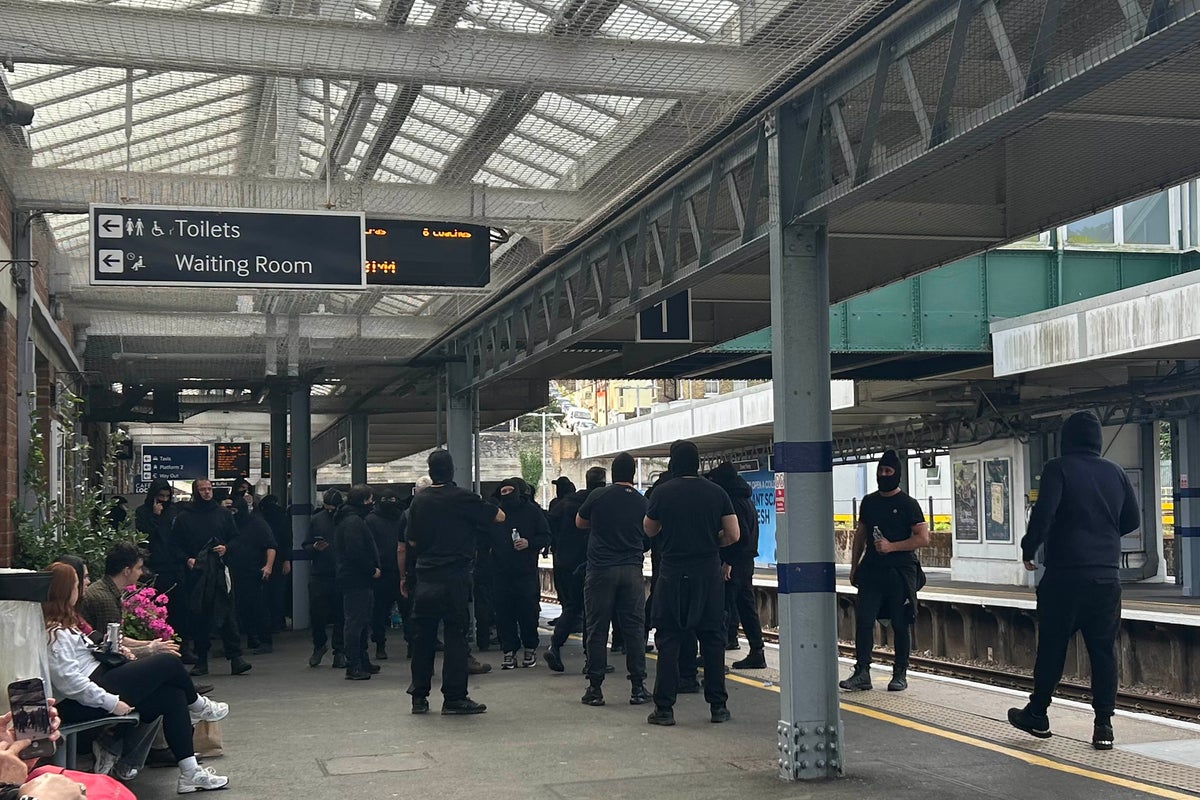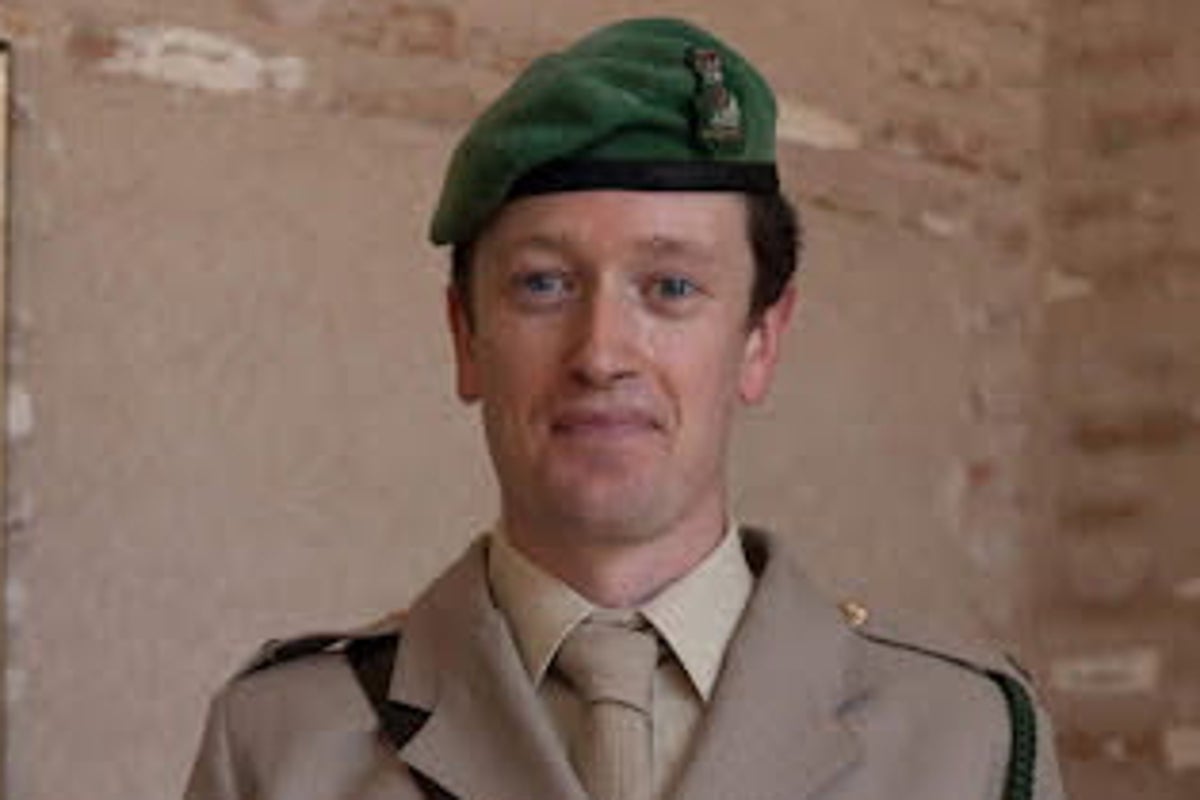


A brave army officer walked towards the scene to gather crucial evidence
Nine years ago today, what started as an ordinary Friday morning for London’s commuters was quickly turned upside down when a bomb partially exploded on a District line train at Parsons Green, leaving more than 50 people injured.
At 8.20am on September 15, 2017, a fireball blasted through a District Line carriage, burning passengers and sending people scrambling to escape. The attack left 23 people with burn injuries, while another 28 were hurt in the panic that followed.
Almost a decade on, we remember the survivor’s accounts of that terrifying morning, the bravery of the emergency services who intervened, and the courage of Lt Col Craig Palmer, the Army officer who moved towards the smouldering bomb and took photos as crucial evidence while others fled.
Remarkably, no one was killed in the attack – but many were left with serious injuries. At the Old Bailey trial, witnesses recalled a loud bang followed by flames spreading through the train, with CCTV footage also capturing images of the fireball and panic.
One victim, a woman who suffered burns to her face, hair, legs and hands, described trying to escape. She told the court: “I jumped from the carriage and probably landed on my knees. I fell into the trench and people helped me up.”
Another passenger, who had boarded at Parsons Green, fell to the carriage floor and described the fireball passing over her. She told the court at the time: “I had used a curling iron to curl my hair that morning and used hair spray, and as the fireball passed over me, my hair instantly caught fire.”
A brave act
As panicked passengers fled from the station, one brave man turned the other way after seeing what he believed was a burning bomb in a carrier bag on the carriage floor. Lt Col Palmer, of the Royal Regiment of Artillery, was two carriages away when the explosion happened, but rather than leaving he pushed through the crowds towards the scene.
Col Palmer then took three photographs of the device which he provided to police to help the investigators establish what had happened. He also used his knowledge of improvised explosive devices to assist emergency services.
He told the court at the time: “I suspected it was an IED (Improvised Explosive Device) in a carrier bag, a plastic bag, and the top of it was burning and there were wires coming out of it. I decided to get a closer examination of it so I opened the doors, took a breath and went in.”
However, as Col Pamer approached the device, he realised that the bomb had only partially exploded, so there was a chance it could still kill him. He recalled: “Everyone was trying to get away while I was going forward. I couldn’t see a terrorist, but I could see what I thought was a burning bomb and realised the terrorist must be on the run – I saw horrified people, school children, all running past me.”
He added: “It was still venting fumes and could have gone off at any moment. It was a calculated risk – Army officers are in the business of taking such risks, and I thought there’s a 50/50 chance that if it goes off, I die.”
Col Palmer was later awarded the Queen’s Commendation for Bravery for his actions that morning.
The bomber’s conviction
Police soon discovered that a teenager was responsible for the attack. Ahmed Hassan, then 18, had arrived in the UK as a child asylum seeker from Iraq, where he said he was ‘groomed’ by the Islamic State group.
Hassan built the bomb at his foster parents’ home in Sunbury, Surrey, while they were away, before travelling to Wimbledon. It was there he boarded a District line train, leaving the device behind when he got off at Putney Bridge, the stop before Parsons Green.
Police arrested him in Dover the following morning (September 16, 2017). He was later found guilty of attempted murder at the Old Bailey, where Mr Justice Haddon-Cave said the verdict rested on “overwhelming evidence”.
Hassan was sentenced to life in prison with a minimum term of 34 years. An appeal made against his sentence in January 2019 was rejected.
It emerged that Hassan had previously been referred to the government’s Prevent counter-extremism programme in early 2016, but the teenager waited months to receive deradicalisation support. At the time of the attack, Hassan had been referred to specialists, but had not yet been given the all-clear.
Former Security minister Ben Wallace admitted there were “lessons to be learned” in the case, while Surrey Police and Crime Commissioner David Munro said that “opportunities were missed” to prevent the attack taking place.
He told BBC Radio 4’s World at One programme: “As far as Surrey is concerned, it is obvious we were too slow – all the organisations involved.”
Looking for more from MyLondon? Subscribe to our daily newsletters here for the latest and greatest updates from across London.