Inflation increased to a five-month high last month on the back of rising fuel prices and air fares.
The Office for National Statistics (ONS) said Consumer Prices Index (CPI) inflation rose to 3.1 per cent in August – up from 2.9 per cent in July.
The official data comes as economists predict inflation is likely to keep increasing in the coming months, adding to pressure on households ahead of the autumn Budget in October.
Chancellor John Healey stressed that the UK economy is nonetheless “proving resilient” as he blamed the war in the Middle East for the inflation increase.
So, what was behind August’s rise in inflation and what can households expect over the months ahead?
What is inflation?
Inflation is the term used to describe the rising price of goods and services.
The inflation rate refers to how quickly prices are going up.
August’s inflation rate of 3.1 per cent means that if an item cost £100 a year ago, it would now cost £103.10.
It is an increase from inflation of 2.9 per cent, meaning that prices are increasing at a faster rate.
What caused inflation to rise last month?
The ONS said the largest single driver of inflation was fuel prices, which jumped in August after the breakdown of the US-Iran ceasefire pushed oil prices higher.
It said the price of petrol rose by 9.1 pence per litre between July and August, to an average of 161.3 pence per litre – its highest level since 2022.
The price of diesel rose by 14.2 pence per litre to an average of 181.8 pence per litre for the month.
More expensive air travel also pushed inflation, with data showing that airfares increased by 6.2 per cent due to a rise in the cost of long-haul flights.
Did all price rises accelerate in August?
No, inflation for some products remained steady or even decreased over the month.
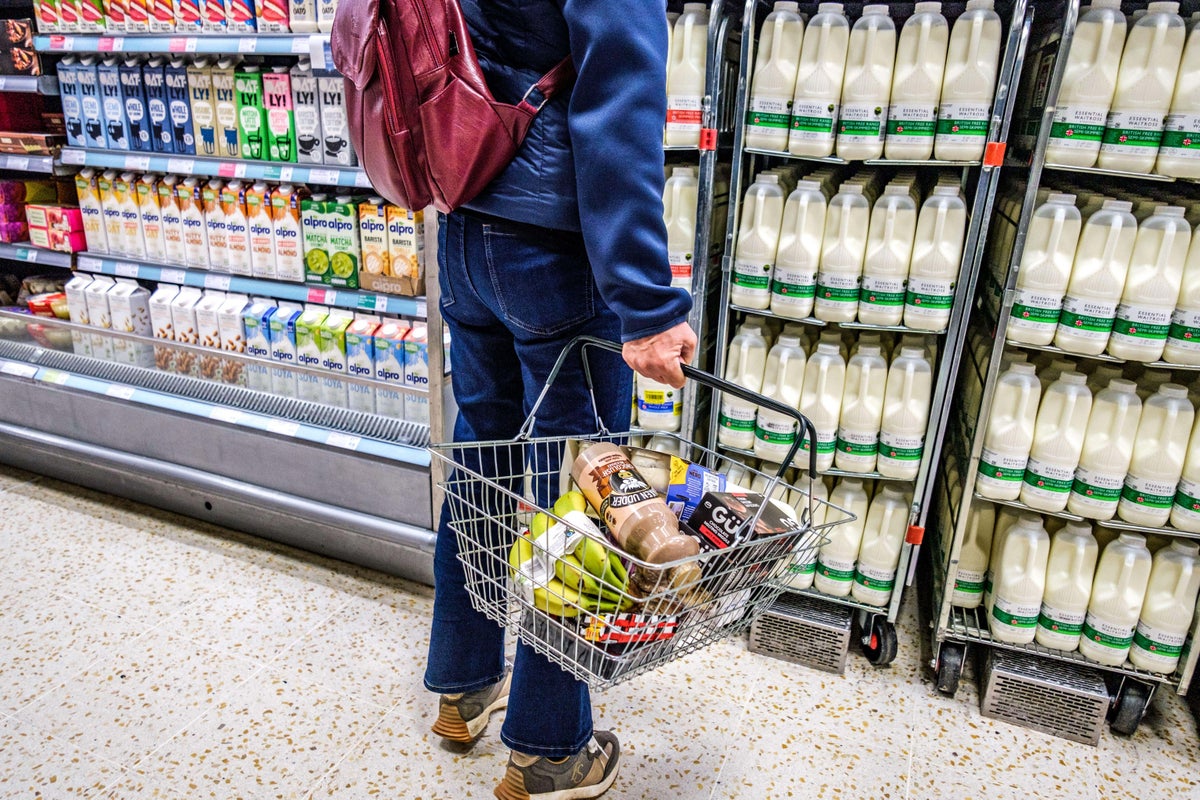
Food and drink inflation remained flat at 1.3 per cent for the month, staying at the almost five-year low it struck in July.
The price of meat and fruit dipped marginally compared with the previous month.
Figures also showed that the price of alcoholic drinks was down 0.9 per cent compared with the same month last year, particularly driven by a fall in the cost of wine.
Where will inflation go from here?
Inflation is expected to steadily increase further in the coming months, as the prolonged conflict in the Middle East keeps energy prices elevated.
It is due to tick higher in October as higher household energy costs push inflation higher.
Predictions from last month pointed to a potential 4 per cent increase in household energy bills in October but indicated that there could be a sharper jump when the price cap is calculated again in January.
Experts from Pantheon Macroeconomics forecast that inflation will rise to “about 4.5 per cent in January” as energy pressures hit households and businesses.
RSM UK’s Thomas Pugh, meanwhile, predicted inflation “peaking at almost 4 per cent in early 2027”.
What does the latest hike in inflation mean for interest rates?
Interest rates currently sit at 3.75 per cent after the Bank’s rate-setting committee, the Monetary Policy Committee, opted to keep the rate the same in recent meetings.
However, many economists have predicted that the Bank could soon start increasing rates in a bid to bring inflation back down to the 2 per cent target set by the Government.
Interest rate increases are often used in a bid to reduce demand for borrowing, with expectations that this weighs on consumer and business spending and therefore causes a slowdown in price rises.
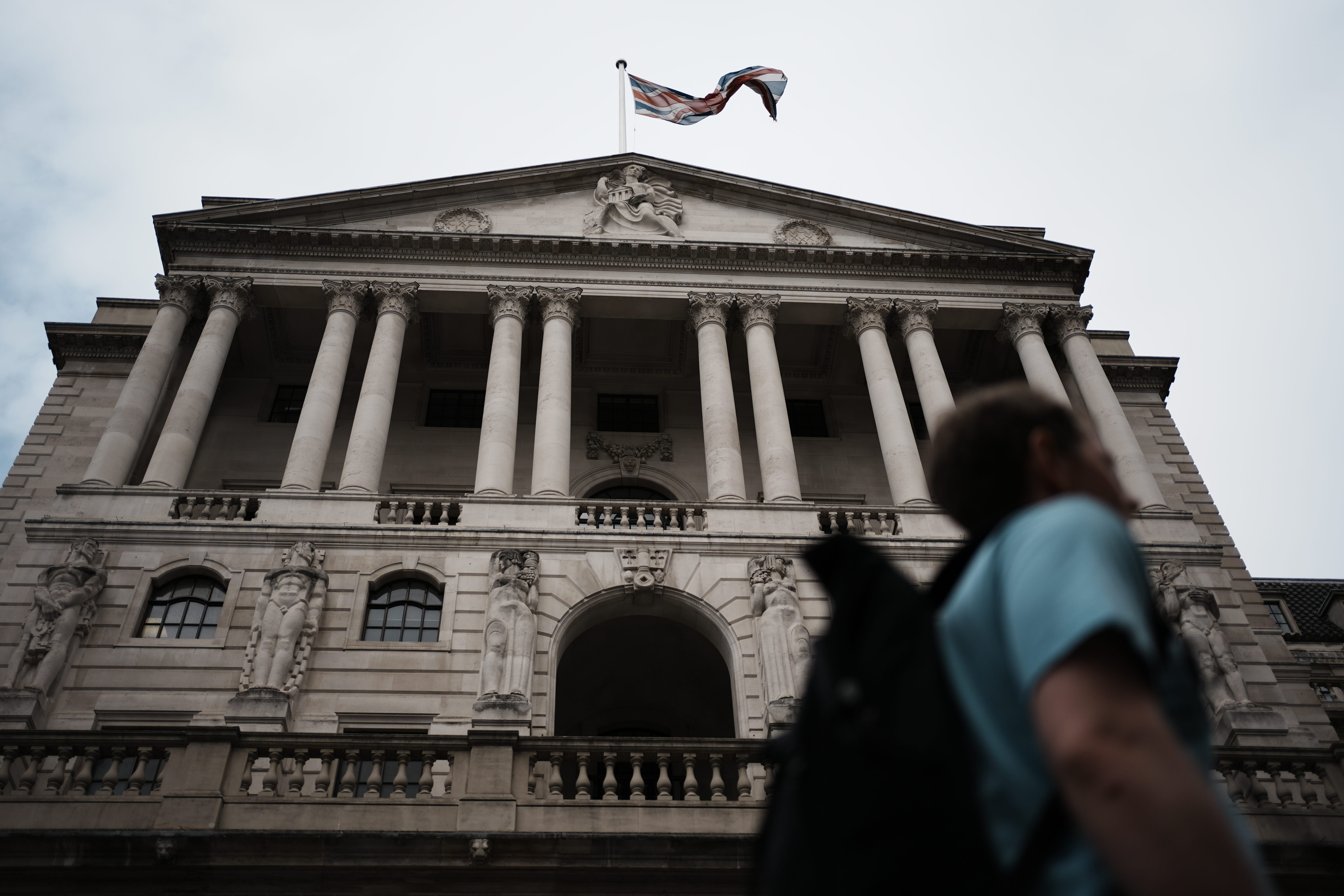
The Bank’s MPC will meet on Thursday for its latest interest rate vote, but is widely expected to confirm another hold despite the fresh inflation rise.
Pantheon Macroeconomics’ Rob Wood said he expects “it will hold tomorrow” but predicted that “a hike in November is still very likely” due to predictions that inflation will keep rising this year.
Charlotte O’Leary, NIESR associate economist, said: “Mounting inflationary pressures, alongside resilient growth data, may eventually grant scope to raise rates without materially damaging the economy.”
The financial markets are currently pricing in around four interest rate increases by the end of 2027, which would take rates to 4.75 per cent.
What does it mean for the government?
The latest inflation figures indicate that households across the UK are facing a fresh rise in the cost of living, which is widely predicted to worsen before it improves.
It will therefore increase the focus on potential cost-of-living measures from Chancellor John Healey ahead of his first Budget next month.
Hopes for cost-of-living support, however, come against a backdrop of high borrowing costs, partly linked to expectations for future interest rate increases.
The yield on gilts, Government bonds, lifted higher again this week amid a global debt sell-off.
The yield on 10-year gilts rose to a new 19-year-high of 5.41 per cent on Tuesday.
The increase in the yield – which causes a reduction in the price of the gilt – means it is more expensive for the Government to borrow money and is therefore likely to eat further into the Chancellor’s financial headroom as he weighs up potential tax and spending plans.