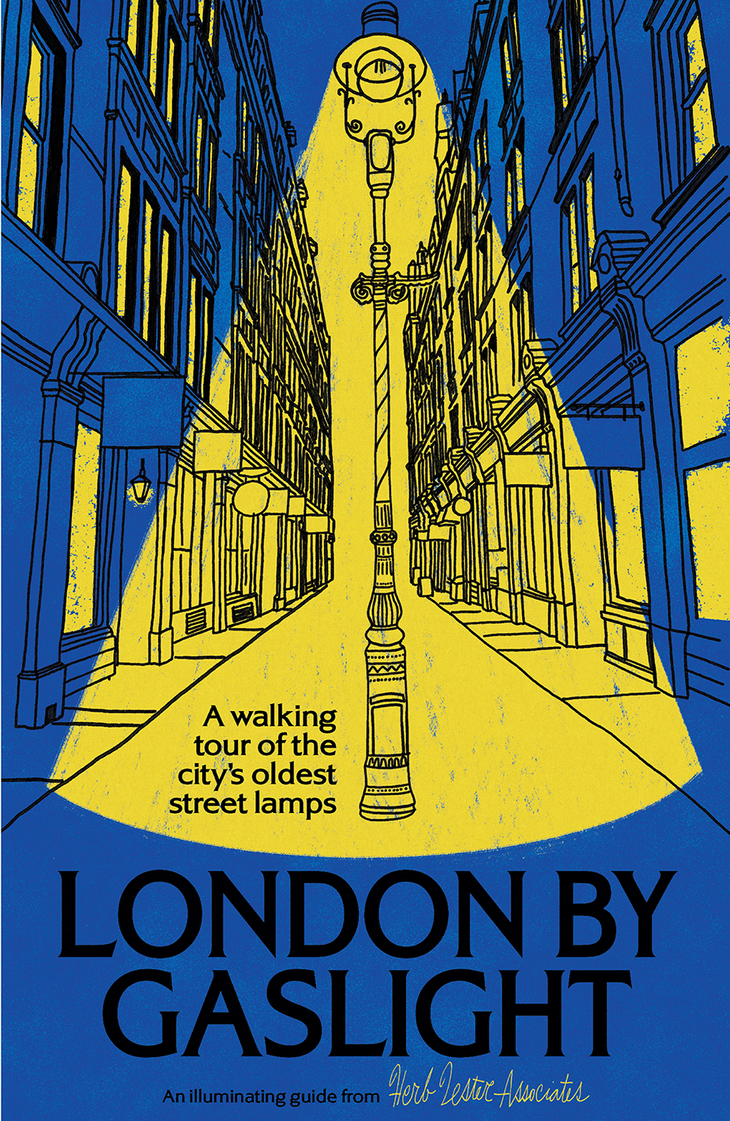

Some 1,300 gas lamps still burn on the streets of London, survivors of a network that once lit the entire city. Here, London Gasketeers and authors of London By Gaslight, Tim Bryars and Luke Honey, write glowing reviews for four of their favourites.
Tim’s favourite lamps
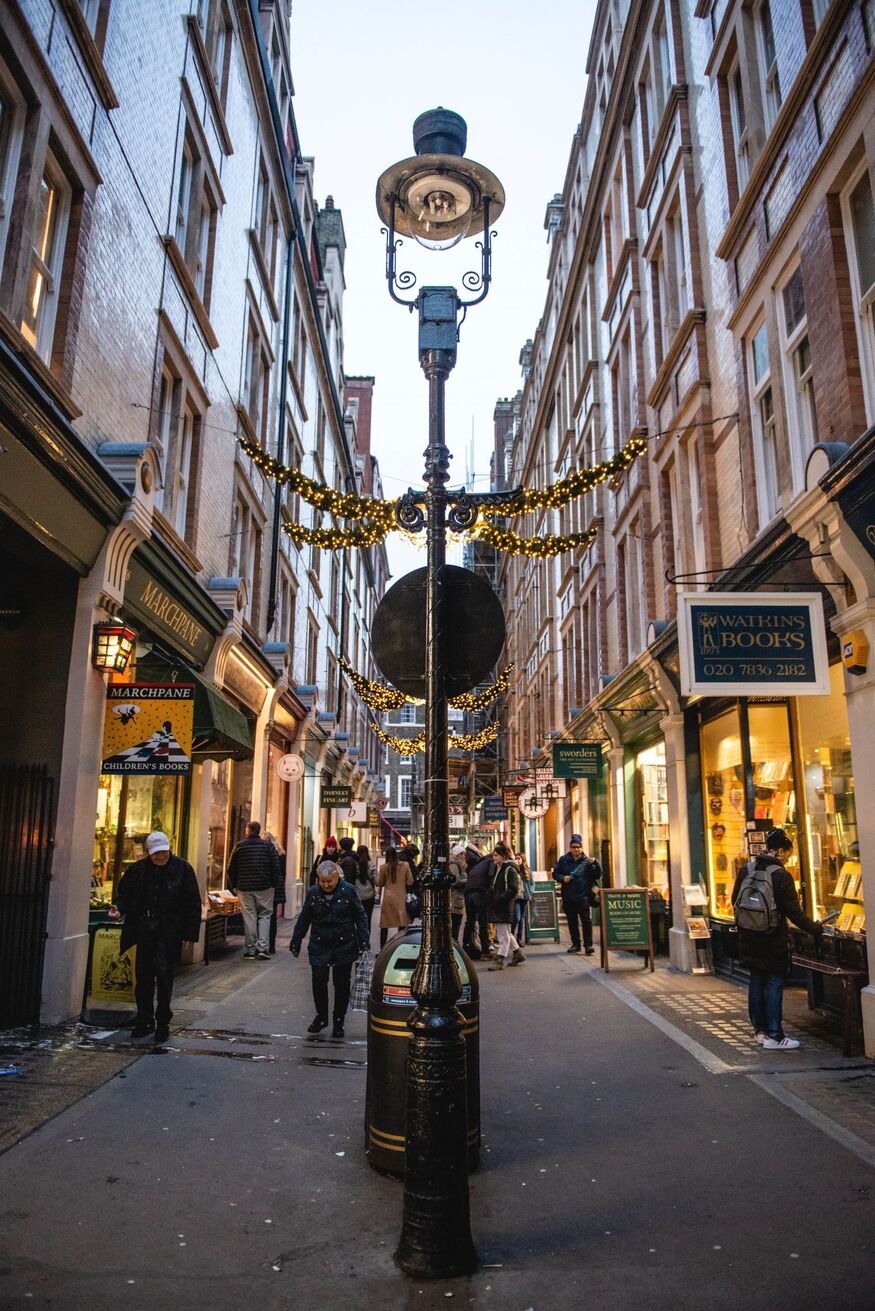
Cecil Court, WC2
The pair of gas lamps on Cecil Court are particularly special for me. One is outside my bookshop; it was here that council workmen first told me about plans to electrify all the surviving gas lamps, and where the campaign to save them began.
The ornate lampposts date to the 1890s, and have an unusual feature: the ladder bar, for the lamplighter to rest his ladder, is on one side of the column only. The Westminster City Council crest is on the base, and you can tell they were designed for gas as there is no door for accessing electrical components.
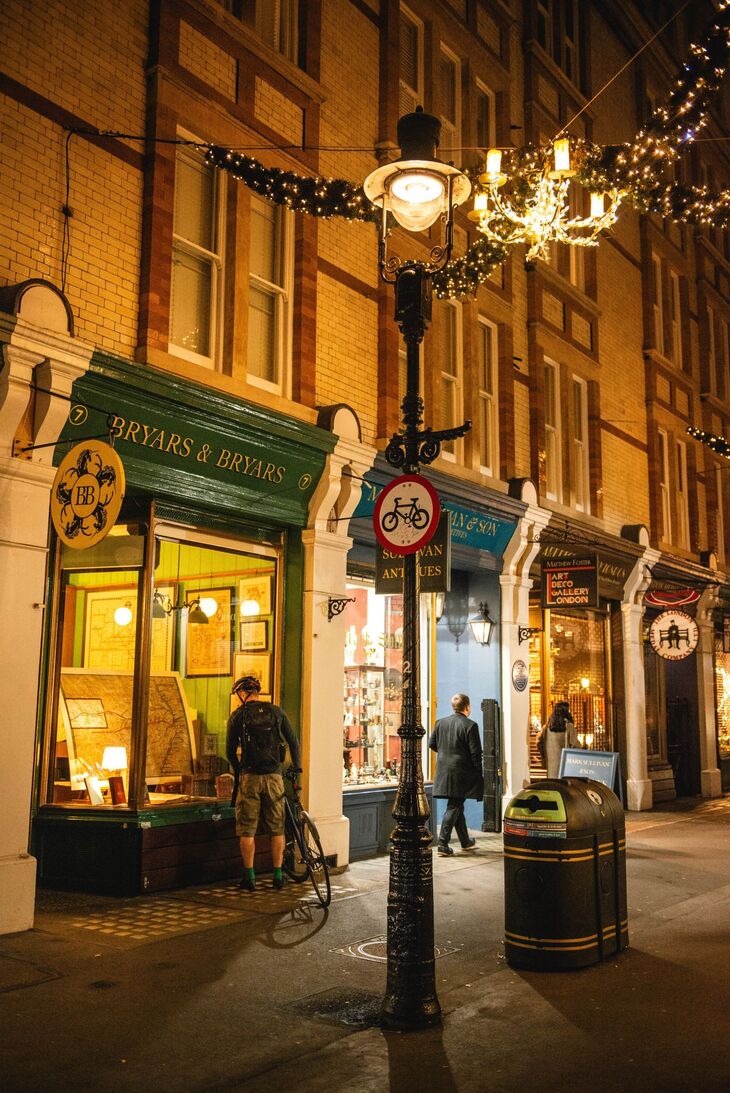
Upgrades are a valuable, visible record of the evolution of street lighting: about 20 years after the lamps were installed, a hexagonal extension was added to support a type of lamp called an ‘upright Rochester’, a shadowless pendant design that represents the peak of early 20th century gas lighting technology. Our Cecil Court lamps are controlled by clockwork timers, introduced in the late 1920s, so the current lamps with their clockboxes have been in place for about a century. The lamplighters still come to wind them and polish the glass every couple of weeks, a much-loved ritual.
So many people have passed along Cecil Court, bathed in that distinctive light. T.E. Lawrence was sketched in the shop opposite mine in 1934, the resulting portrait used as the frontispiece for one of the earliest bibliographies of his works.
Goodwin’s Court, WC2
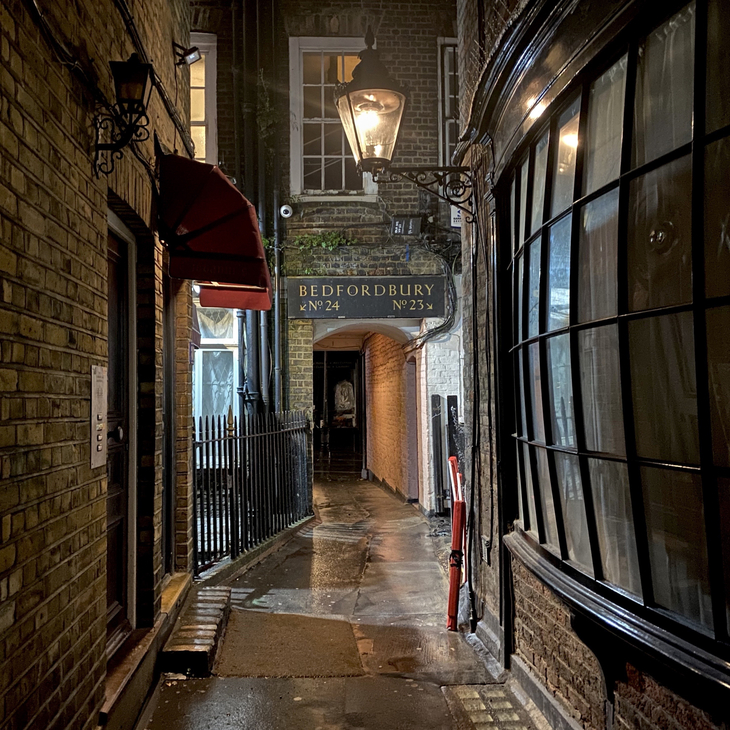
Many of the city’s gas lamps survive in chains or clusters, so if you use our map you can experience a proper gaslit stroll. For example, cross St Martin’s Lane from Cecil Court and you’ll find Goodwin’s Court, lit entirely by three magnificent wall-mounted Grosvenor lamps on ornate iron brackets.
Secluded from the bustle of Covent Garden, this late 17th century court, with 18th-century bow windows, offers an extraordinary opportunity to appreciate what London by night used to be like.
Luke’s favourite lamps
Blue Ball Yard, SW1
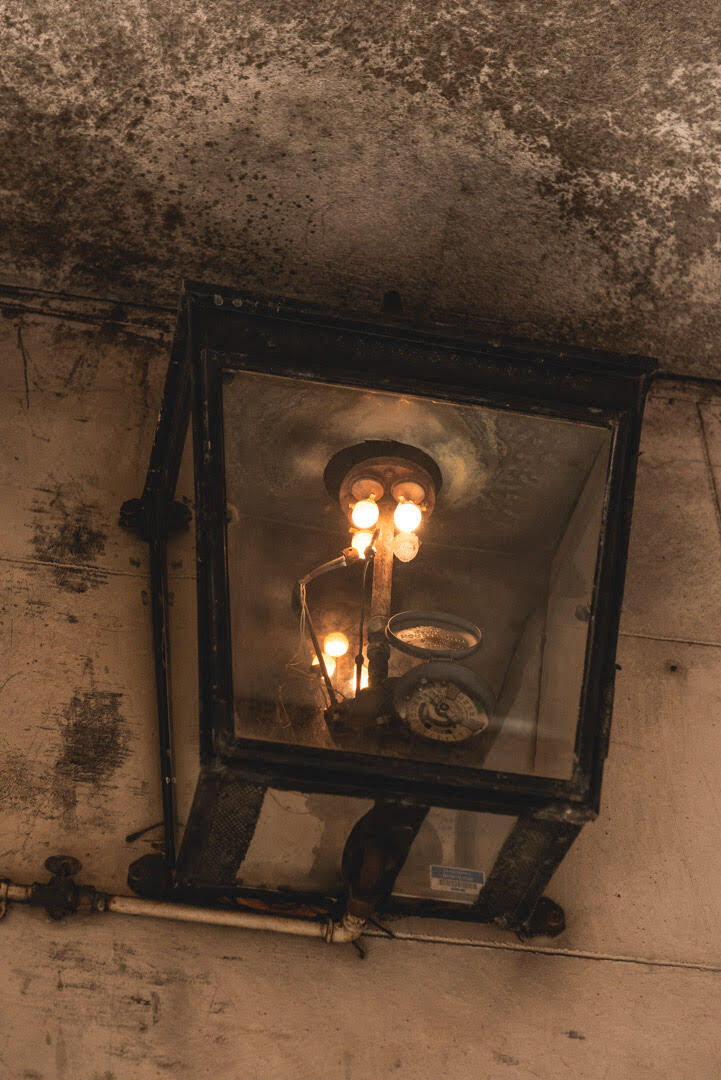
This might well be my favourite gas lamp in London. Found under an archway in St James’s Street, it’s a rare survival from the late Victorian age; the only other example we’re aware of is in the passageway leading to Cork Street Mews, just off Regent Street.
These lamps were designed specifically for the walls of London’s narrow alleyways and passages. The back of the lamp is fitted with a shiny metal plate reflecting extra light, and the lamps are decorated with elegant neo-classical ornamentation.
Lamb & Flag, WC2
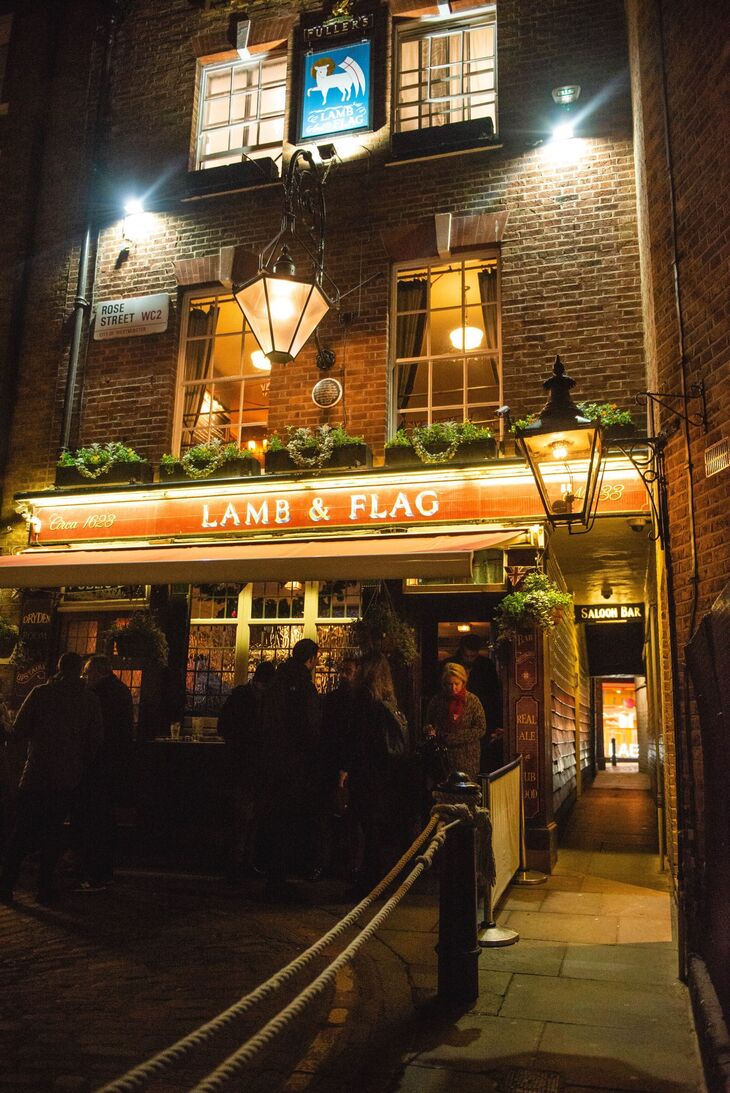
A magnificent ‘Windsor’ gas lamp is attached to the brick wall adjacent to the atmospheric Lamb & Flag pub in Rose Street, Covent Garden. Dating from the early 20th century, it boasts a scalloped finial and a decorative cast-iron bracket.
It was here, just before Christmas 1679 (in the clapboarded alleyway running by the side of the pub), that John Dryden was attacked by the likely henchmen of the Earl of Rochester. A plaque beneath another (electric) lamp on the front of the pub remembers how he was ‘nearly done to death’.
London By Gaslight by Tim Bryars and Luke Honey, published by Herb Lester